%20(1280%20x%20700%20px)%20(1).png)
TPA Benefits of BMI
Why Third-Party Administrators Should Take the Building Moisture Inspection (BMI) Course
For third-party administrators, knowing about moisture is crucial when handling claims, managing vendor performance, and overseeing mitigation and restoration. The Building Moisture Inspection (BMI) course offers the knowledge needed to understand how moisture enters buildings, moves through materials and air systems, and how to locate the true source of water intrusion. With this training, third-party administrators can evaluate project conditions better, interpret documentation, and grasp how moisture affects both damage and restoration efforts.
BMI training gives third-party administrators a stronger base in building science. This helps them go beyond simple administrative tasks and better understand the technical side of moisture-related claims. Rather than depending only on contractor reports or assumptions, trained professionals can analyze moisture data, spot inconsistencies, and back their decisions with solid information. This results in better project coordination, fewer disputes, and more accurate claim outcomes.
Here are some benefits of taking the Building Moisture Inspection class for third-party administrators:
-
Identify the Source of Moisture, Not Just the Reported Cause
BMI training helps third-party administrators learn how to tell the difference between the reported cause of loss and the actual source of moisture intrusion.
-
Evaluate Moisture Inspection Data with Greater Confidence
BMI provides insight into how moisture meters, hygrometers, and thermal imaging are used, allowing administrators to interpret inspection data and reports more effectively.
-
Understand Moisture Movement Within Building Systems
BMI explains how moisture travels through materials, assemblies, and air systems. This helps administrators see how damage can go beyond visible areas.
-
Interpret Documentation and Reports from Multiple Vendors
Third-party administrators often review documents from contractors, consultants, and adjusters. BMI training helps them find inconsistencies and assess whether reports have supporting data.
-
Recognize Hidden Moisture Conditions
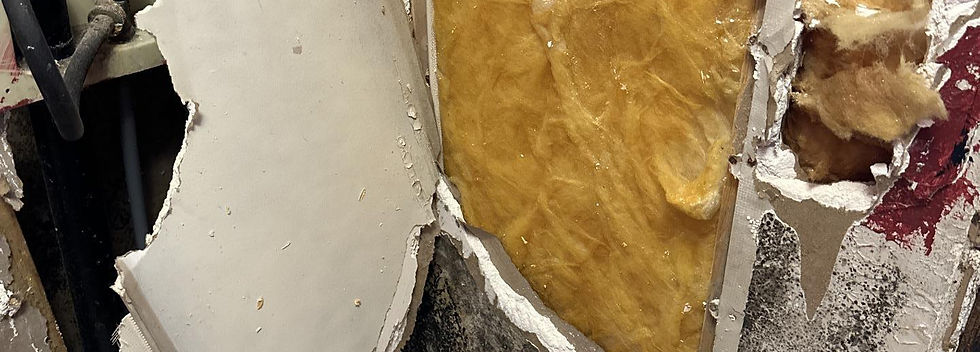
Moisture can be present in hidden areas such as wall cavities, subfloors, and structural components. BMI training educates administrators about these conditions.
-
Understand the Drying Process and Its Variables
BMI training explains how moisture evaporates and redistributes, helping administrators understand drying timelines, equipment use, and project progress.
-
Evaluate Mitigation and Restoration Strategies
BMI training helps administrators grasp how restoration contractors adjust equipment, airflow, and environmental conditions during projects.
-
Improve Communication with Contractors and Consultants
BMI training teaches the language of building science, which aids in effective communication with restoration contractors, engineers, consultants, and adjusters.
-
Support Decisions with Measurable Data
BMI focuses on data-driven inspection methods. Administrators can back their decisions with moisture readings and documented conditions.
-
Reduce Disputes Between Parties
A better understanding of moisture dynamics helps administrators clear up misunderstandings and minimize conflicts between contractors, adjusters, and policyholders.
-
Improve Oversight of Complex Projects
BMI training enables administrators to understand project conditions better, leading to more effective coordination and oversight.
-
Understand the Consequences of Moisture in Buildings
Moisture can cause material deterioration, microbial growth, corrosion, odor development, and structural problems. BMI training informs administrators about these risks.
-
Improve Accuracy in Project Evaluation
Understanding moisture behavior lets administrators assess whether project scopes and timelines match actual conditions.
-
Increase Credibility in Claim and Project Management
A deeper understanding of building moisture inspection boosts credibility and shows a higher level of knowledge when working with industry professionals.
-
Recognize When Additional Evaluation is Needed
BMI training helps administrators know when further investigation by engineers, consultants, or specialists is necessary.